Hydroseeding (USA Product)
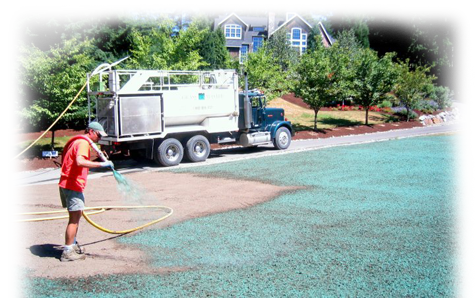
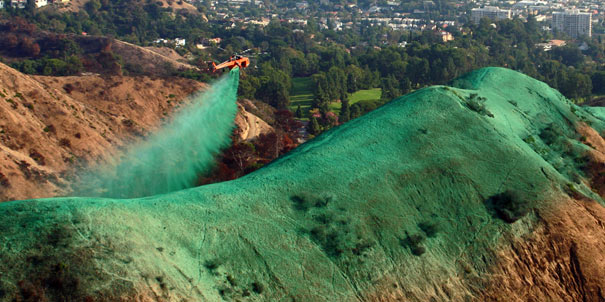
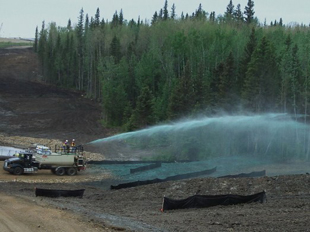
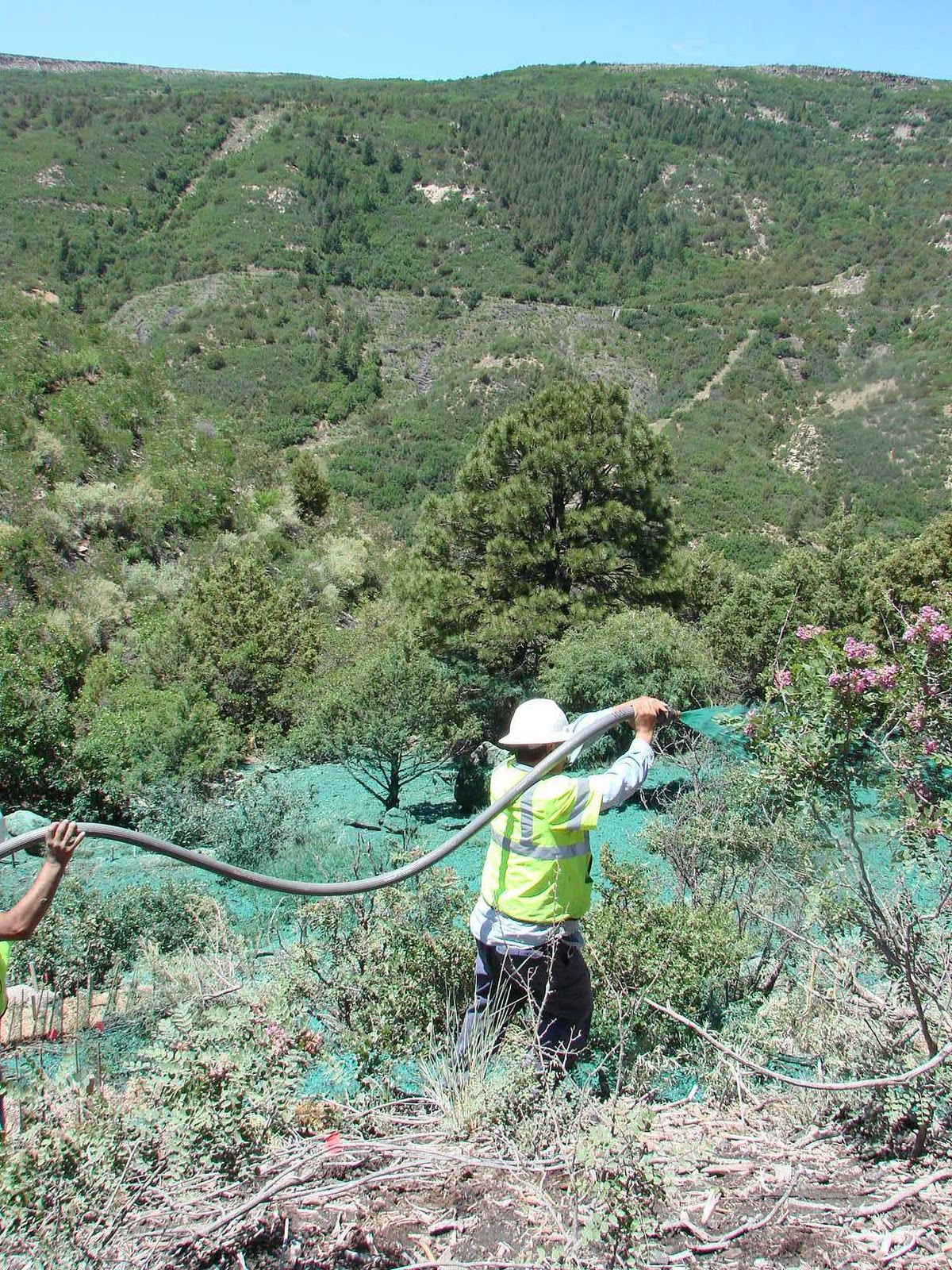
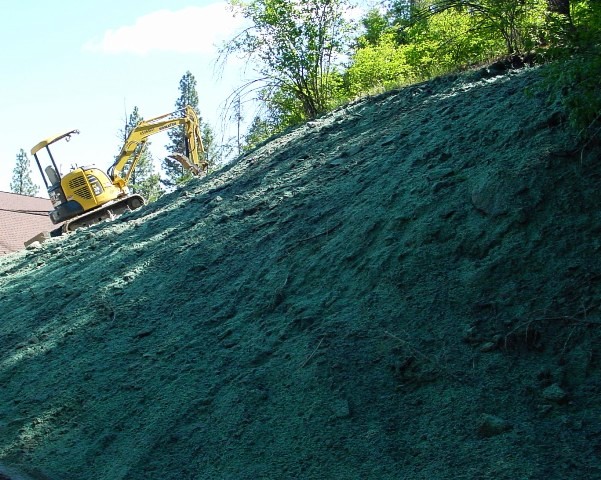
Hydroseeding typically consists of applying a mixture of wood fiber, seed, fertilizer, and stabilizing emulsion with hydro-mulch equipment, which temporarily protects exposed soils from erosion by water and wind
Cost effective as it a one time application with minimum maintenance and no labour costs. Methods like Rain water harvesting can be leveraged to maintain the soil moisture.
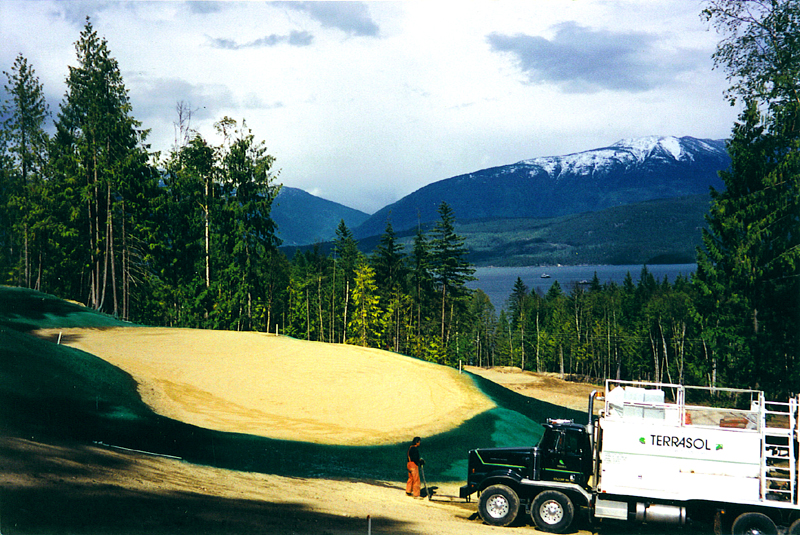
We can hydroseed anywhere we can get our machine, plus '200′ that our hose can reach in tight areas. Including but not limited to:
- Afforestation
- Massive Plantations
- Lawns
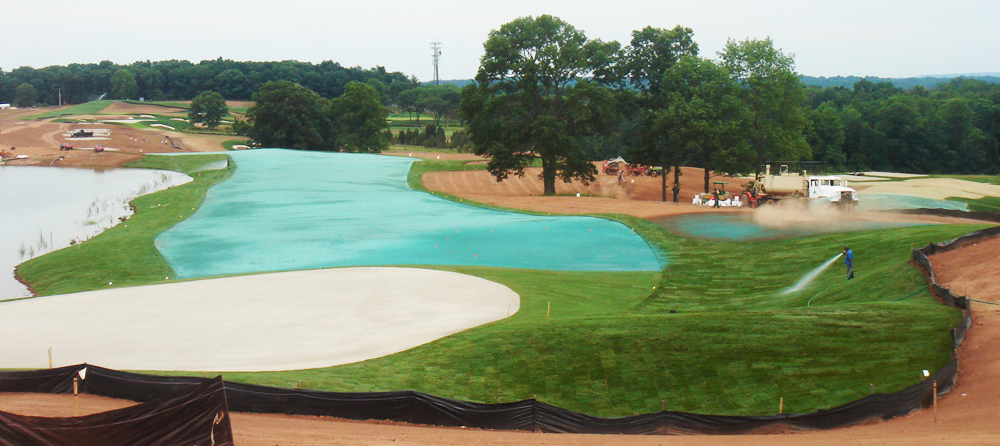
- Golf Courses
- Forestry
- Hill stations
- Detention Ponds
- Home Lawns
- Oilfield Pads
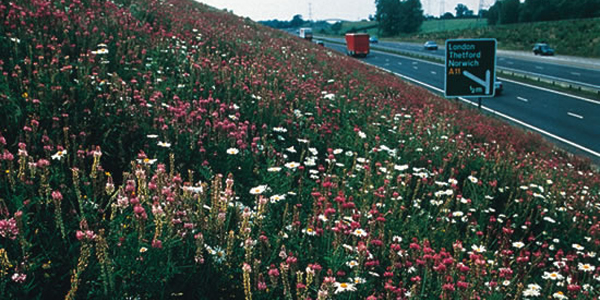
- Highways
- New Building Sites
- Fuel Stations
- Landfills
- Lake Dams
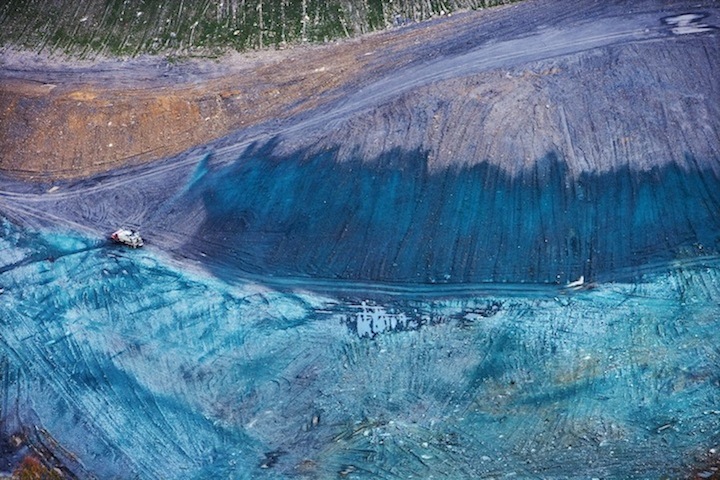
- Mines Dumps
- Mine Spoils

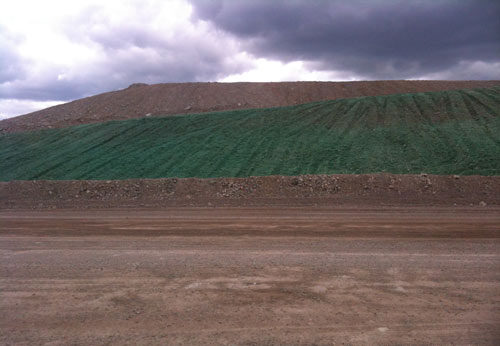
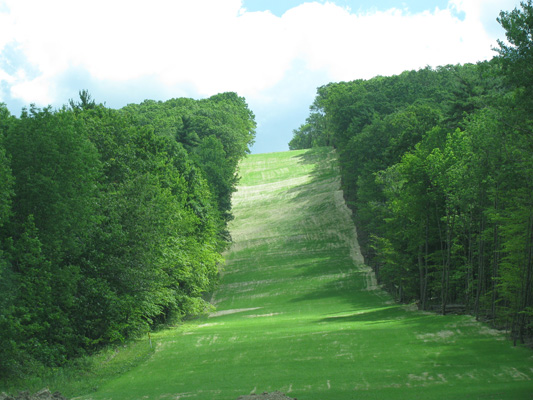
Hydroseeding is definitely the most economical choice for establishing the growing results desired without the expense, time consumption, installation demands of Terrace work and Drainage work. The savings that can be achieved when comparing the square footage costs are the same savings that are getting passed on to the client’s bottom-line. Hydroseeding specialy slopes, mine spoils, mine dumps, hills, hill slopes, erosion control, massive plantations, golf course and many more.
Quality:Hydroseeding soils hold moisture better than hand seeded types, therefore the seeds can germinate quicker. Additionally, hydroseeding includes fewer grass seeds, no layering of soils and incorporates a tackifier coagulant that will not experience wash out.
Coverage:Hydroseeding creates an evenly covered area that forms a barrier to keep seed stabilized and retain moisture, fertilizer and other healthy growth-enhancing nutrients. Other beneficial coverage advantages of hydroseeding are its ability to cover large, difficult and inaccessible areas, such as slopes, that are too steep. Coupled with increased plant survival and faster germination
Erosion Control:Erosion control is the most prevalent reason for using hydroseeding in an effort to hold moisture and protect against erosion from wind, rain, sun and pests through the binding of seed, mulch, tackifiers and other soil conditioners that encompass the hydroseeding slurry to bind with the ground surface soil. Increased seed density and fast germination will establish a robust root system in creating a long term solution for erosion control.
Versality & Use:One of the main separations between hydroseeding and other methods of seeding is its ability to economically seed large, hard-to-reach areas where alternative seeding methods may not be easily accomplished.
Health:Hydroseeding creates the ideal micro environment for germinating seed because the slurry materials enhance the seeds germination process and stimulates the seeds to grow a healthy, deep-rooted system in the ground where moisture is at its greatest. Because the hydroseeding slurry is a combination of different elements to help maximize seed growth, each of those individual elements adds various benefits to the hydroseeding process. Mulch fiber helps prevent wind and water erosion, while simultaneously protecting the surface from sun damage and soil temperature fluctuation. Ultimately the mulch fiber decomposes and adds nourishment to the soil to enhance the germination process.Working together with the mulch, fertilizers have high phosphorus content to enhance the root growth and soil amendments improve the pH levels of the soil.
Speed:Hydroseeding is faster and easier to install than manual plantation, and this rapid application is managed without the downfall of outstanding labor expenditures. A properly hydroseeded and watered will start to grow in about 2 weeks.
Water Retention:With hydroseedings’ ability to retain up to 10 times its weight in water, it’s definitely proved to be the best method for fast, healthy germination, high plant survival and protection of seeds with a moisture sealant. No other method of has the advantages of hydroseeding when it comes to water retention. In the hydroseeding mix, fiber mulch and tackifiers are used to anchor the mixture to slopes and help seal in moisture. The water is then slowly released, along with nutrients,to the root system to constantly replenish itself until the next rainfall. A hydroseeded ground starts growing from the root first, allowing the root system to go deep into the ground where moisture is at its greatest, making a very drought-tolerant.